And Why Summer Is the Perfect Time to Start
For most students in India, summer holidays often become a mix of screen time, tuition classes, late mornings, and “I’ll figure it out later.” But what if summer could become something more?
Not another academic race.
Not more pressure.
But a season to discover strengths, build confidence, and develop real-world skills that school textbooks often miss.
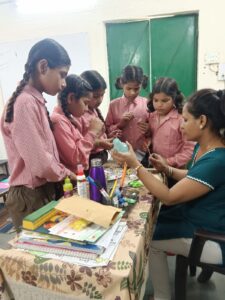
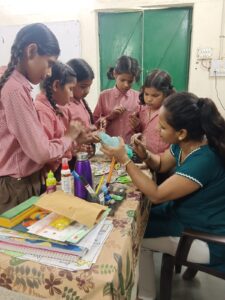
At Project Aarohan, our Pathfinders mentoring program focuses on helping students aged 13–17 build self-awareness, life skills, communication, emotional resilience, and positive habits through the P.A.T.H. Framework — Purpose, Awareness, Tools, and Habits.
This summer, here are 5 skill areas students should actively lean into — not just for school, but for life.
1. Communication Skills
Because knowing something is different from expressing it.
Many students struggle not because they lack ideas, but because they don’t know how to communicate them clearly. Whether it’s speaking in class, presenting ideas, answering interviews later in life, or simply expressing emotions — communication shapes confidence.
In the Pathfinders program, students explore:
- Public speaking
- Listening exercises
- Body language
- Structured thinking
- Speaking with clarity and confidence
One powerful framework introduced is the PAM Framework:
- Purpose — Why am I speaking?
- Audience — Who am I speaking to?
- Message — What am I saying?
Summer Challenge:
- Record 1-minute videos speaking on any topic
- Interview grandparents or parents about their childhood
- Join debates or storytelling circles
- Practice active listening with friends
These small exercises build confidence far faster than students realise.
2. Self-Awareness & Emotional Intelligence
Because students need to understand themselves before they can understand the world.
Today’s students are constantly overstimulated — academics, social media, peer pressure, expectations. But very few are taught how to recognise emotions, manage stress, or understand their own patterns.
The Pathfinders program includes activities like:
- Emotion thermometers
- Energy mapping
- Reflection exercises
- Understanding stress triggers
- Emotional regulation tools
Students are encouraged to ask:
- What gives me energy?
- What drains me?
- What makes me feel calm?
- What emotions affect my thinking?
Summer Challenge:
- Maintain a simple journal
- Track moods and energy levels
- Spend time offline daily
- Learn calming practices like walks, music, drawing, or breathing exercises
Self-awareness is not “extra.”
It is the foundation for better decisions, relationships, and confidence.
3. Time Management & Habit Building
Because discipline is built in small daily choices.
Summer holidays are actually the best time for students to build routines — without the pressure of school schedules.
In the Pathfinders sessions, students learn practical tools around:
- Planning days
- Prioritising important vs urgent tasks
- Reducing unhealthy screen habits
- Creating realistic routines
- Building sustainable habits
One important lesson students reflect on:
“Important things are often quiet. Urgent things shout.”
Students also learn the Habit Loop:
Cue → Routine → Reward
Summer Challenge:
- Plan “Big 3 Tasks” daily
- Reduce doom scrolling before sleep
- Build one healthy routine for 21 days
- Learn consistency instead of perfection
A student who learns discipline early gains a lifelong advantage.
4. Purpose & Curiosity About the World
Because students should learn to think beyond marks.
One of the most beautiful things we see in mentoring sessions is students beginning to ask:
- What matters to me?
- What kind of person do I want to become?
- What problems in the world do I care about?
The Pathfinders framework encourages students to explore:
- Global cultures
- Role models
- Social issues
- Personal values
- Purpose statements
Students discuss real-world issues like:
- Climate change
- Artificial intelligence
- Discrimination
- Pollution
- Animal welfare
They also learn about young changemakers like:
- Malala Yousafzai
- Greta Thunberg
- Licypriya Kangujam
Summer Challenge:
- Pick one issue to learn deeply about
- Read biographies
- Watch documentaries
- Volunteer locally
- Explore careers linked to personal interests
Curiosity often becomes the first step toward purpose.
5. Learning How to Handle Failure
Because resilience matters more than perfection.
Students today often grow up fearing mistakes. But real growth happens when students learn:
- How to fail
- How to recover
- How to reflect
- How to try again
The Pathfinders mentoring journey treats failure as a learning tool, not an identity.
Students discuss:
- Small failures
- Emotional reactions
- Self-talk
- Asking for help
- Learning from setbacks
One reflection shared in the program:
Accept → Pause → Learn → Try Again
Summer Challenge:
- Learn a difficult skill from scratch
- Try something uncomfortable
- Reflect on mistakes without self-criticism
- Focus on progress, not perfection
Resilience is one of the greatest future skills any student can build.
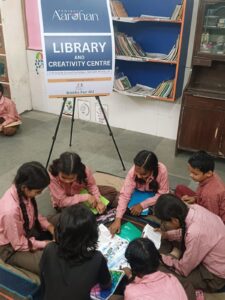
“You don’t need perfect conditions to grow. You only need awareness, small actions, some guidance, and the courage to continue.”